Virtual Try-On Technology for E-Commerce: How AI Is Replacing Fashion Photo Shoots
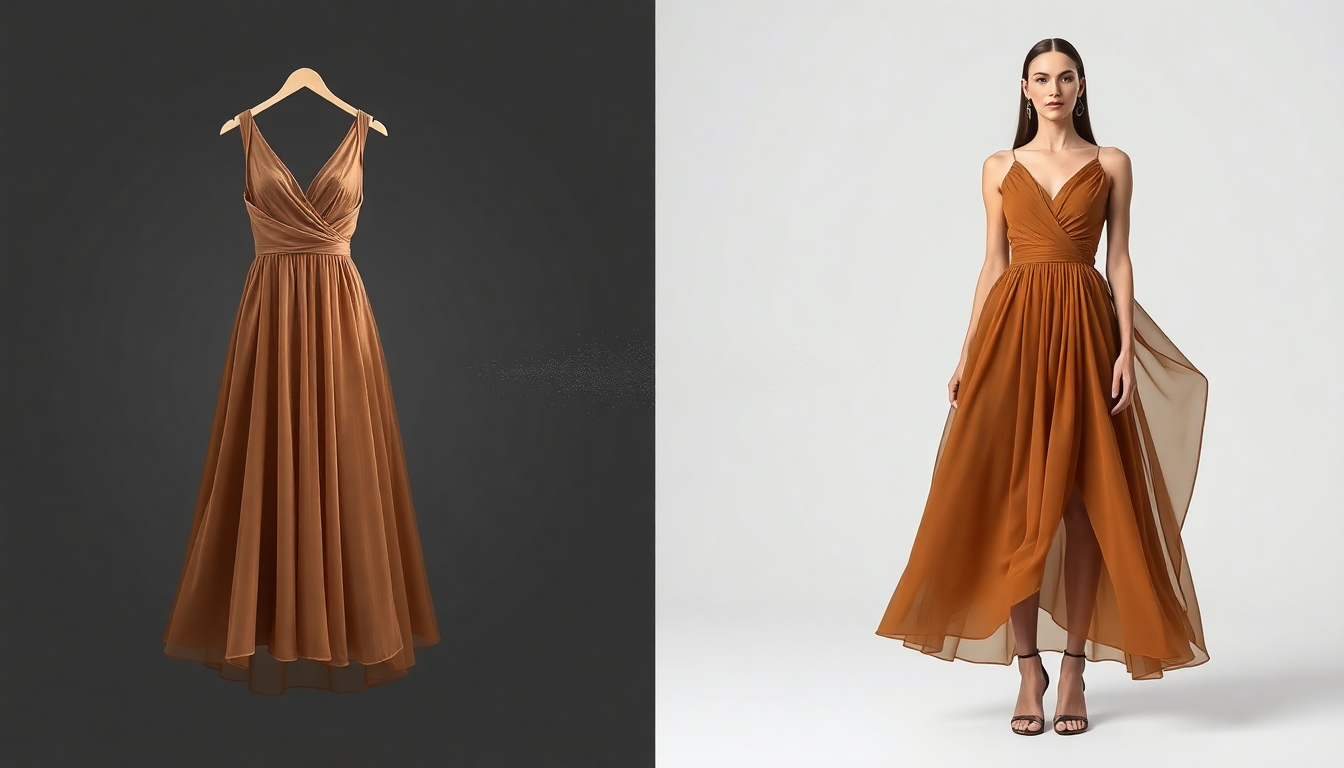
Here's a stat that keeps fashion retailers up at night: somewhere between 30% and 40% of all clothing purchased online gets returned. The number one reason? "It didn't look the way I expected." Shoppers scroll through flat-lay photos and mannequin shots, try to imagine how a dress or jacket would actually look on them, and more often than not, they guess wrong.
This is exactly the problem that virtual try-on technology was built to solve. And thanks to recent leaps in AI, it's no longer a gimmick or a far-off concept. It's a practical tool that brands of all sizes are using right now to create realistic on-model imagery without booking a single photo shoot.
What Is Virtual Try-On, and How Does It Actually Work?
At its core, virtual try-on for e-commerce is pretty straightforward. You take a photo of a garment and a photo of a person, and AI combines them into a realistic image of that person wearing that garment. No dressing room, no photographer, no studio time.
The technology behind it is more sophisticated than a simple overlay. Modern AI clothing try-on systems use deep learning models that understand how fabric drapes, folds, and stretches across different body types. The AI analyzes the garment's texture, pattern, and structure, then warps and blends it onto the person's body in a way that respects lighting, pose, and proportions. The result looks like a genuine photograph, not a cut-and-paste job.
A few years ago, early attempts at this looked rough. Patterns would warp unnaturally, sleeves would clip through arms, and the whole thing screamed "computer-generated." But the current generation of models has gotten remarkably good. We're talking about output that's difficult to distinguish from an actual photo shoot, especially when the input images are clean and well-lit.
The Problem This Solves (It's Bigger Than You Think)
Let's talk about why this matters so much for online fashion retail.
Returns are devastating. That 30-40% return rate isn't just an inconvenience. It's a profit killer. Each return costs the retailer in shipping, processing, repackaging, and often results in markdowns or write-offs. For many e-commerce brands, returns eat into margins so heavily that entire product lines become unprofitable.
Shoppers can't visualize the product. When someone walks into a physical store, they can hold the fabric, try it on, and see exactly how it fits. Online, they're working with a handful of photos and maybe a size chart. That gap between expectation and reality is what drives returns. Virtual try-on bridges that gap by showing customers what clothes actually look like on a body similar to theirs.
Photo shoots are expensive and slow. A traditional fashion photo shoot involves models, photographers, stylists, studio rental, and post-production editing. For a brand with hundreds or thousands of SKUs, shooting every item on a model is either extremely expensive or simply impossible. Many smaller brands resort to flat-lay photography or ghost mannequins, which look fine but don't give shoppers the "on-body" context they need to buy with confidence. (For a broader look at how AI is changing product photography overall, see our guide on AI product photography in 2026.)
The Benefits for Brands and Retailers
Fewer Returns, More Confident Buyers
When shoppers can see a realistic representation of how a garment looks on a person, they make better purchasing decisions. Early adopters of virtual try-on in e-commerce have reported measurable drops in return rates, simply because customers knew what they were getting before they clicked "buy."
Higher Conversion Rates
There's a direct line between visual confidence and conversion. Product pages that show garments on models consistently outperform those with flat-lay or mannequin shots. Virtual try-on lets you put every single product on a model without the traditional cost.
Dramatically Lower Content Costs
Think about what it costs to photograph 500 new items on models each season. Now imagine generating those same on-model images in minutes using AI. The savings are enormous, and it frees up budget for other parts of your business. You can even generate images across multiple model types and body shapes, something that would multiply costs in a traditional shoot but takes almost no extra effort with AI.
Speed to Market
Traditional shoots take weeks to plan and execute. With AI clothing try-on, you can have on-model product images ready the same day you photograph the garment. That means faster product launches and the ability to react quickly to trends.
How to Use Virtual Try-On in Practice
So what does the actual workflow look like? Let's walk through it step by step.
Step 1: Photograph the Garment
Start with a clean, well-lit photo of the garment. A flat-lay shot on a plain background works great. You want the entire garment visible, with no major wrinkles or folds that would obscure its shape. Think of this as giving the AI a clear "reference" of what the clothing looks like.
Step 2: Choose or Upload a Model Photo
Next, you need a photo of the person who will "wear" the garment. This can be a professional model shot, a stock photo, or even a custom photo you've taken. The key is that the person should be in a front-facing pose with their full torso visible.
Step 3: Run the AI
With tools like Pixelus, this part is simple. You upload your garment photo and your person photo, and the AI generates a realistic try-on image. The system handles all the heavy lifting: analyzing the garment's shape and texture, understanding the person's pose and body geometry, and blending everything together into a natural-looking result.
Step 4: Review and Adjust
Look over the output. In most cases, you'll get a result that's ready to use as-is. If something looks off, try adjusting your input photos. A cleaner garment photo or a slightly different model pose can make a big difference in the final output.
Ready to try virtual try-on for your products?
Upload a garment and a model photo, and let Pixelus generate realistic on-body imagery in seconds.
Try Pixelus Free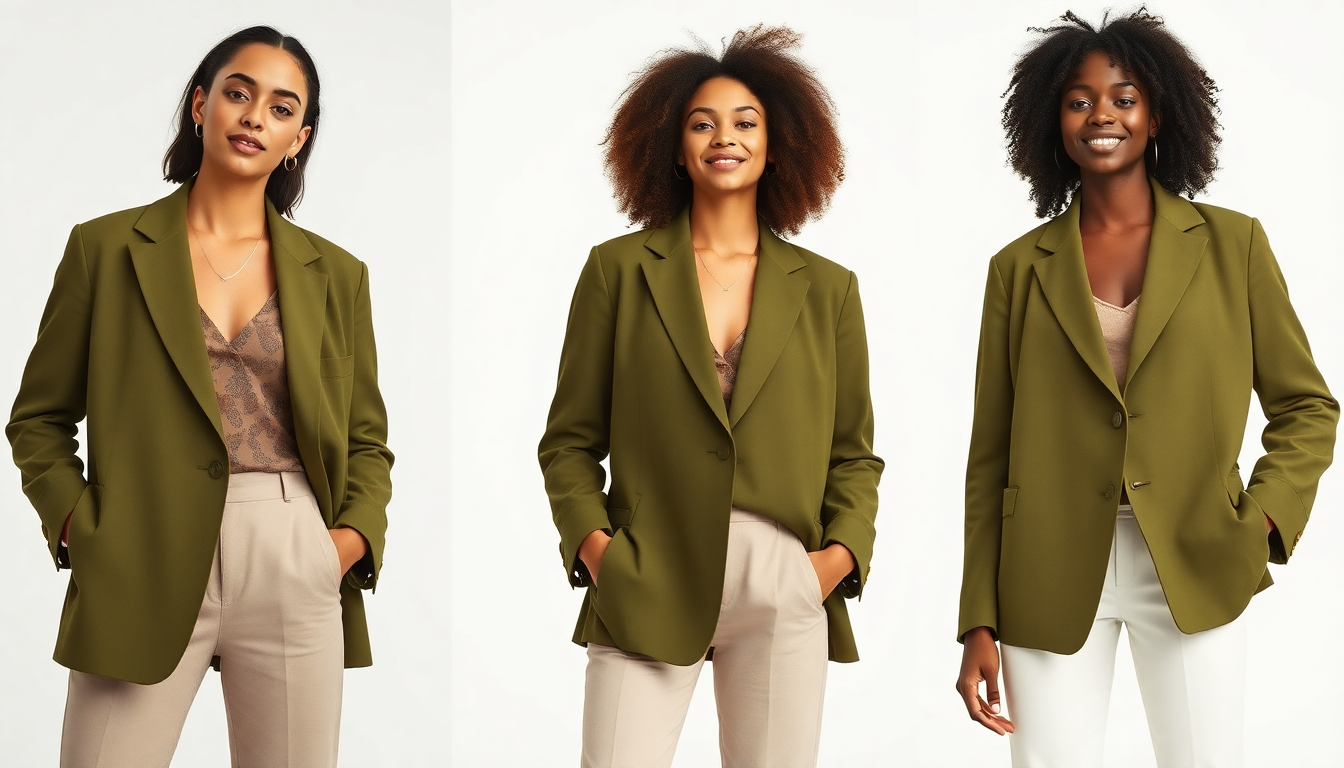
Tips for Getting the Best Results
Like any tool, virtual try-on works best when you give it good inputs. Here are some practical tips we've learned from working with brands of all sizes.
Use Clean, Well-Lit Garment Photos
This is the single biggest factor in output quality. Photograph your garment on a neutral background (white or light gray works well) with even, diffused lighting. Avoid harsh shadows. Make sure the full garment is visible and not bunched up or overlapping itself. The AI needs to "see" the complete garment to render it accurately.
Choose Front-Facing Model Poses
The technology works best with model photos where the person is facing the camera with a relatively natural, upright pose. Extreme angles, crossed arms, or heavy cropping can cause issues. A standard catalog pose is ideal.
Mind the Lighting Match
While AI is pretty good at harmonizing lighting between the garment and model photos, you'll get the most natural results when the lighting in both images is similar. If your garment was shot under warm studio lights, a model photo with cool outdoor lighting might create a subtle mismatch. When possible, try to keep the overall lighting tone consistent.
Start with Simpler Garments
If you're new to AI clothing try-on, start with straightforward pieces like t-shirts, blouses, or dresses. These tend to produce the most impressive results right out of the gate. As you get more comfortable with the tool and learn what works best, you can move on to more complex items like layered outfits or heavily textured fabrics.
Generate Multiple Variations
One of the great advantages of virtual try-on is that it costs almost nothing to generate additional variations. Try the same garment on different models to create a more inclusive product page. Test different poses. Use the best results and discard the rest. This kind of experimentation would be prohibitively expensive with traditional photography, but with AI it's just a few extra clicks.
Where Virtual Try-On Technology Is Heading
The current state of virtual try-on for e-commerce is already impressive, but the technology is improving fast. Here's what we see on the horizon.
Better handling of complex garments. Outerwear, layered looks, and accessories are getting easier for AI models to handle. As training datasets grow and model architectures improve, expect the range of garments that work well to keep expanding.
Video try-on. Static images are just the beginning. We're already seeing early experiments with AI-generated video try-on, where a model moves and the garment flows naturally with them. This will be a game-changer for product pages and social media content.
Real-time customer-facing try-on. Imagine a shopper uploading their own photo and seeing themselves in any garment on your site, all in real time. Some retailers are already testing this, and as the technology gets faster and more accurate, it could become a standard feature of online shopping.
Integration with sizing recommendations. Combine virtual try-on with AI-powered fit prediction, and you've got a shopping experience that tells customers both how a garment will look and whether it will fit. That's a powerful combination for reducing returns.
Getting Started Doesn't Have to Be Complicated
One of the things that held virtual try-on back for years was complexity. Early systems required 3D modeling, specialized hardware, or deep technical knowledge. That's changed. Modern tools like Pixelus have simplified the process to its essentials: upload a garment photo, upload a person photo, and let the AI do the rest.
If you're running an e-commerce fashion brand and you're still relying exclusively on flat-lay photos or mannequin shots, virtual try-on is worth testing. The barrier to entry is low, the time investment is minimal, and the potential impact on your return rate and conversion rate is significant.
The brands that figure this out early will have a real advantage. Shoppers are already expecting better product imagery, and the gap between brands that offer on-model photos and those that don't is only going to widen. AI makes it possible to be on the right side of that gap without blowing your budget.
See what virtual try-on can do for your brand.
Pixelus makes it easy to generate realistic on-model product photos using AI. No photo shoots required.
Get Started with Pixelus